If you’re buying or selling a home in Florida, understanding the homestead exemption can save you thousands of dollars in property taxes. This valuable benefit is one of Florida’s most attractive features for homeowners, but many people don’t fully understand how it works or how to claim it.
What Is the Florida Homestead Exemption?
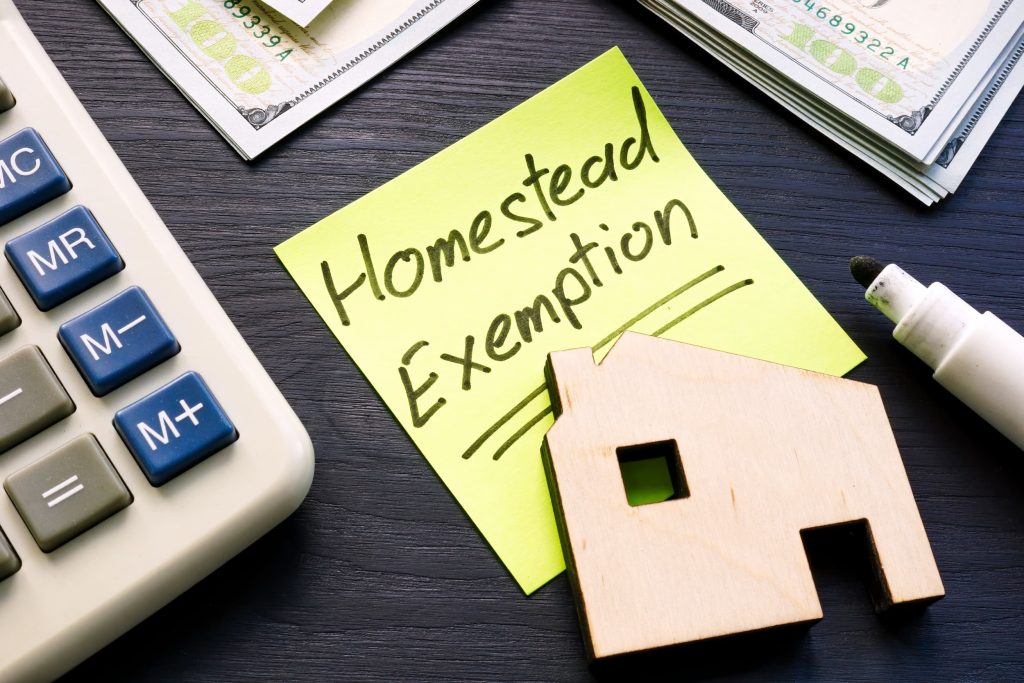
The Florida homestead exemption is a property tax benefit that reduces the taxable value of your primary residence. For 2026, homeowners can exempt up to $50,000 of their home’s assessed value from property taxes. The first $25,000 applies to all property taxes, including school district taxes, while the second $25,000 applies only to non-school taxes on the home value between $50,000 and $75,000.
For example, if your home is assessed at $300,000 and you qualify for the full exemption, you’ll only pay taxes on $250,000 to $275,000 of that value, depending on the tax category.
Beyond tax savings, the homestead exemption also provides important protections including the Save Our Homes cap, which limits annual increases in your home’s assessed value to 3% or the rate of inflation, whichever is lower. This protection can be especially valuable in rapidly appreciating markets.
What Buyers Need to Know About Homestead in 2026
Eligibility Requirements
To qualify for the Florida homestead exemption, you must meet specific criteria:
- You need to own the property
- Use it as your permanent residence as of January 1st of the tax year
- Be a legal Florida resident
- You can only claim homestead exemption on one property, and it must be your primary residence
Application Timing
New homeowners should apply for homestead exemption as soon as possible after purchasing, but no later than March 1st to receive the benefit for that tax year. If you close on a home in December 2025 and establish residency by January 1, 2026, you can apply by March 1, 2026 to receive the exemption for the entire 2026 tax year.
Portability Matters
If you’re selling one Florida homestead and buying another, you may be able to transfer your Save Our Homes benefit through portability. This allows you to take up to $500,000 of your accumulated tax savings with you to your new home, which can result in significant savings if you’re downsizing or moving to a comparable property.
Budget for the First Year
Many first-time Florida buyers are surprised by their first property tax bill. Without homestead exemption in place for your first partial year of ownership, you’ll pay taxes on the full assessed value. Plan accordingly and remember that your taxes should decrease significantly once homestead is applied.
What Sellers Need to Know About Homestead in Florida
Abandonment Date
When you sell your Florida home, you automatically lose your homestead exemption. The abandonment becomes effective on January 1st of the year following the sale. If you sell in October 2025, you’ll maintain your exemption through December 31, 2025, but lose it on January 1, 2026.
Portability Transfer Window
Sellers who plan to purchase another Florida home have three years from the date they abandon their homestead to transfer their Save Our Homes benefit to a new property. This portability can be worth tens of thousands of dollars in tax savings, so don’t overlook this valuable benefit when planning your next purchase.
Property Tax Proration
At closing, property taxes are typically prorated between buyer and seller based on the closing date. Sellers should understand that their portion will reflect their homestead-exempt rate, while the buyer’s portion for the remainder of the year will be at the non-exempt rate.
Timing Your Sale
Some sellers strategically time their sales to maximize their homestead benefit. Since you maintain the exemption through the end of the calendar year when you sell, selling early in the year means you’ll receive the full year’s benefit even though you only owned the home for part of the year.
How to Apply for Homestead Exemption in Florida
The application process is straightforward. You’ll need to file Form DR-501 with your county property appraiser’s office. Required documentation typically includes proof of ownership (deed or title), proof of Florida residency (driver’s license or ID card issued by January 1st), vehicle registration, and voter registration if applicable.
Most Florida counties now offer online applications through their property appraiser websites, making the process even more convenient. In Brevard County and Indian River County, homeowners can access these resources directly through their local property appraiser offices. You can also apply in person or by mail. Once approved, your homestead exemption remains in effect as long as you continue to use the property as your primary residence, so you won’t need to reapply annually.
Additional Homestead Benefits and Exemptions
Beyond the standard exemption, Florida offers additional benefits for certain homeowners. Senior citizens 65 and older may qualify for additional exemptions depending on county and income level. Disabled veterans may receive extra exemptions or complete property tax waivers depending on their disability rating. Widows and widowers of military members or first responders who died in the line of duty may also qualify for special exemptions.
These additional exemptions can substantially reduce or even eliminate property taxes for eligible homeowners, so it’s worth investigating if you might qualify.
Common Mistakes to Avoid
Many homeowners miss out on benefits or face penalties due to simple mistakes. Don’t forget to establish Florida residency by January 1st by obtaining a Florida driver’s license or ID card. Remember to file by the March 1st deadline, as late applications are typically denied for that tax year. Ensure you’re only claiming homestead on one property, as claiming it on multiple properties can result in penalties and back taxes. If you’re portability-eligible, don’t let the three-year transfer window expire.
The Bottom Line for 2026
The Florida homestead exemption is a powerful tool for reducing property taxes and protecting your investment in your home. Whether you’re buying your first Florida home in Brevard County or Indian River County, or selling to move to another property in the state, understanding how homestead works can save you thousands of dollars and help you make more informed real estate decisions.
For buyers, plan ahead by understanding the application process and timing requirements. For sellers, don’t forget to leverage your portability benefits if you’re staying in Florida. When in doubt, consult with your county property appraiser’s office or a qualified real estate professional who can guide you through the specifics of your situation.
With proper planning and timely action, the homestead exemption can be one of the most valuable benefits of owning property in the Sunshine State.